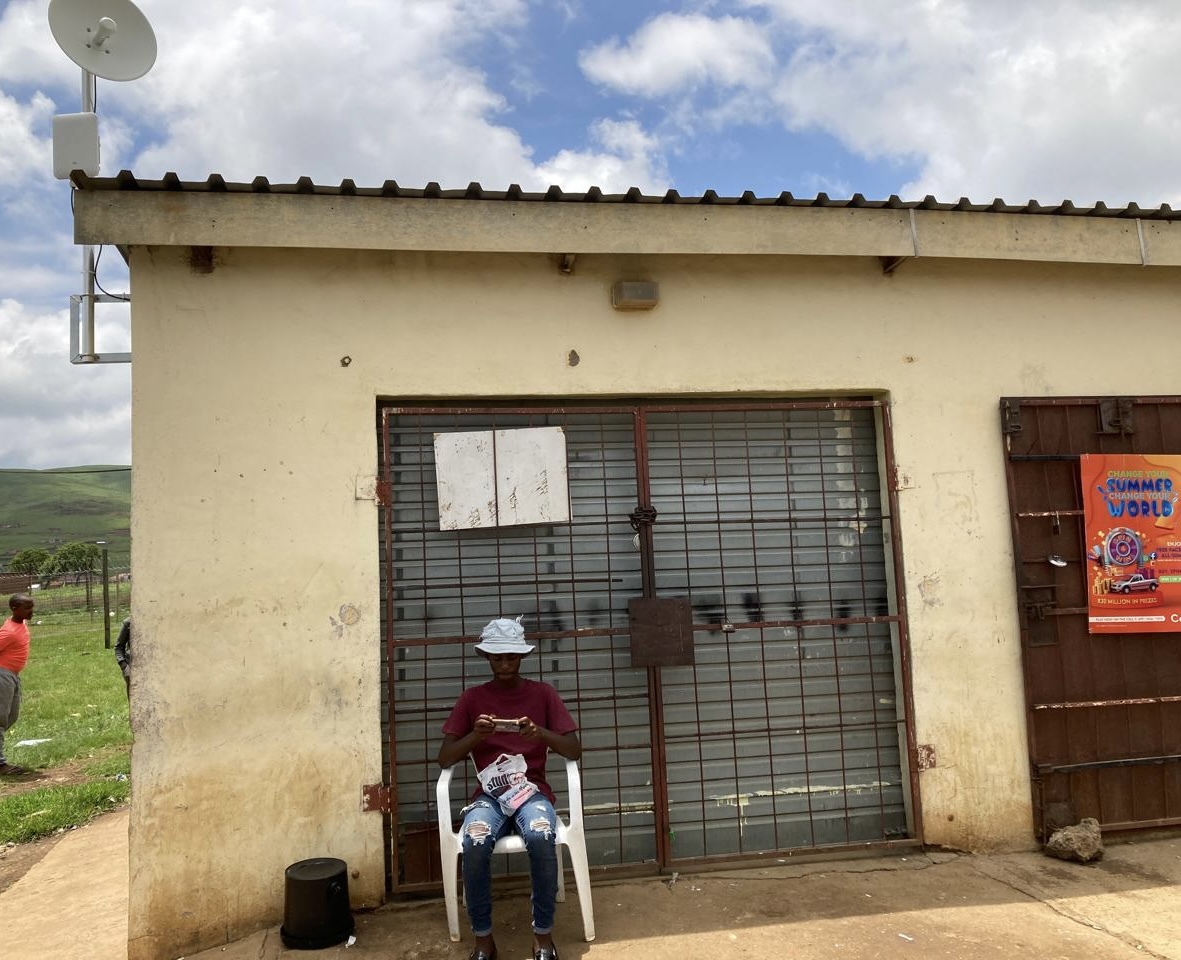
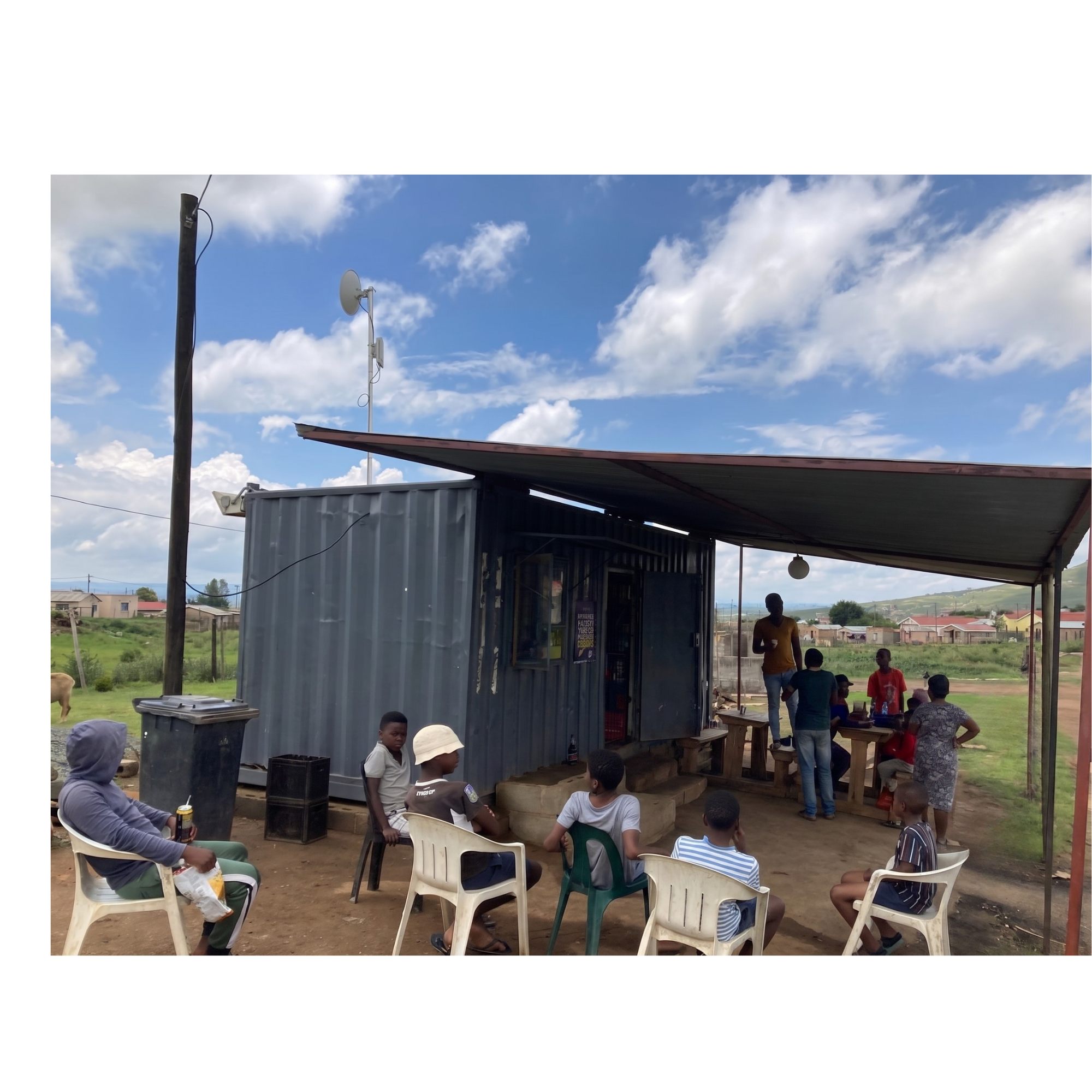
Gamifying access to wifi, instead of subsidizing it.
This is Coucal's flagship idea for closing the connectivity gap, commercially, without waiting on a government programme or a new law. It's a dense concept, so we've broken it into seven parts. Read straight through, or jump to what interests you.
The idea, in one line
"Gamify access to wifi, instead of subsidizing it."
How it works
Free-to-play mobile games have run on this mechanic for over a decade: play for free, then watch a short ad to keep going. Applied to connectivity, the same trade works for access. Instead of a monthly bill or a cash voucher, a user watches a short ad, completes a survey, or opts into sharing specific information, and gets credited data or connection time in return. The layers can stack: an ad-funded baseline, topped up by surveys or data-sharing for those who want more.
Why it's practical
No government programme, new legislation, or industry-wide agreement is required. A single mobile network or ISP could build this and launch it commercially, alone. It also changes who funds access: advertisers step in directly, rather than the cost being routed through pricing or subsidy.
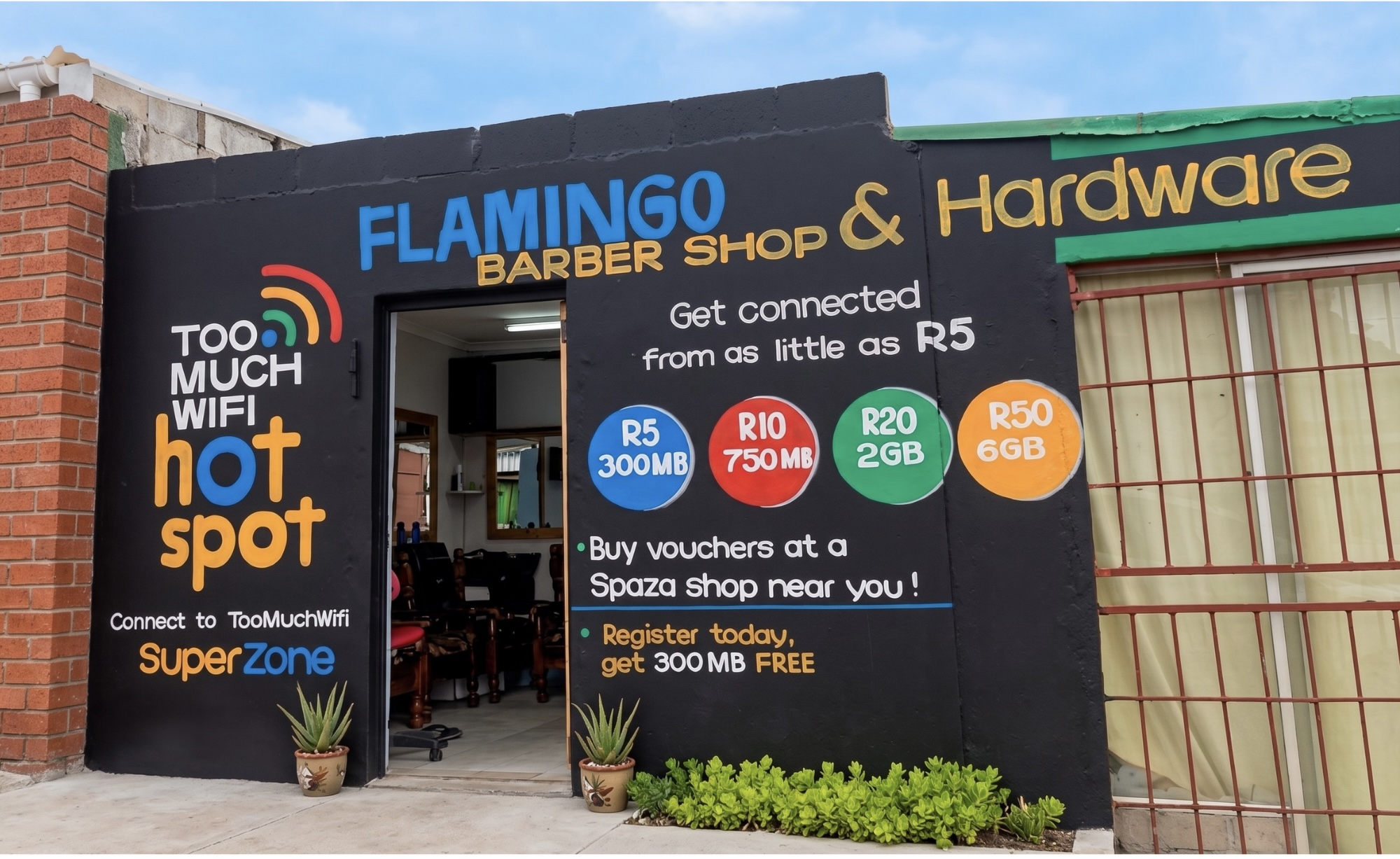
A hyper-local advertiser, a nearby shop, a local bank, a telecoms brand, sponsoring data for people in their immediate area is more targeted and more sustainable than a blanket subsidy. The advertiser reaches exactly the customers next door; the user gets exactly the access they need.
This isn't a free lunch. Those who can afford a normal contract will simply skip the ads and surveys, those who can't will pay with time, attention, and personal data instead. It's a real cost. Just a less visible one than a bill.
The precedent: Free Basics and zero-rating
A close relative of this model already exists at scale. Meta's Free Basics and equivalent zero-rated offers have operated for close to a decade across Kenya, Nigeria, Rwanda, Ghana, South Africa, Mozambique, Tanzania, and beyond, largely without the net neutrality regulation that ended the practice in India in 2016. This is a live, unresolved policy debate, not a hypothetical one.
The core critique, and where Coucal differs
A curated, ad-or-sponsor-funded tier of the internet is not the same as the internet. Deciding what's zero-rated hands the operator real gatekeeping power over what an unconnected person can even reach.
The meaningful difference for a version built for African markets: fund general-purpose, open data credit, not access to a specific curated app list. A video watched or a survey completed converts to credit the user can spend anywhere online, not a walled garden.
Whether operators actually build the open version, rather than the more monetizable walled-garden version, is the real test of whether this is a genuine improvement, or just Free Basics with a new name.
Why now, why it's buildable
The missing piece isn't infrastructure. It's a version of the idea designed to spend into open data credit, rather than a single platform's ecosystem. The pieces already exist:
- Pay-as-you-go infrastructure already runs at scale, Fibertime's voucher system, Poa!'s hotspot network, mobile money rails.
- Low-income users are already willing to pay in small, frequent increments.
- A local advertiser base already exists, ready to sponsor access in the communities it sells into.